
Potty Training




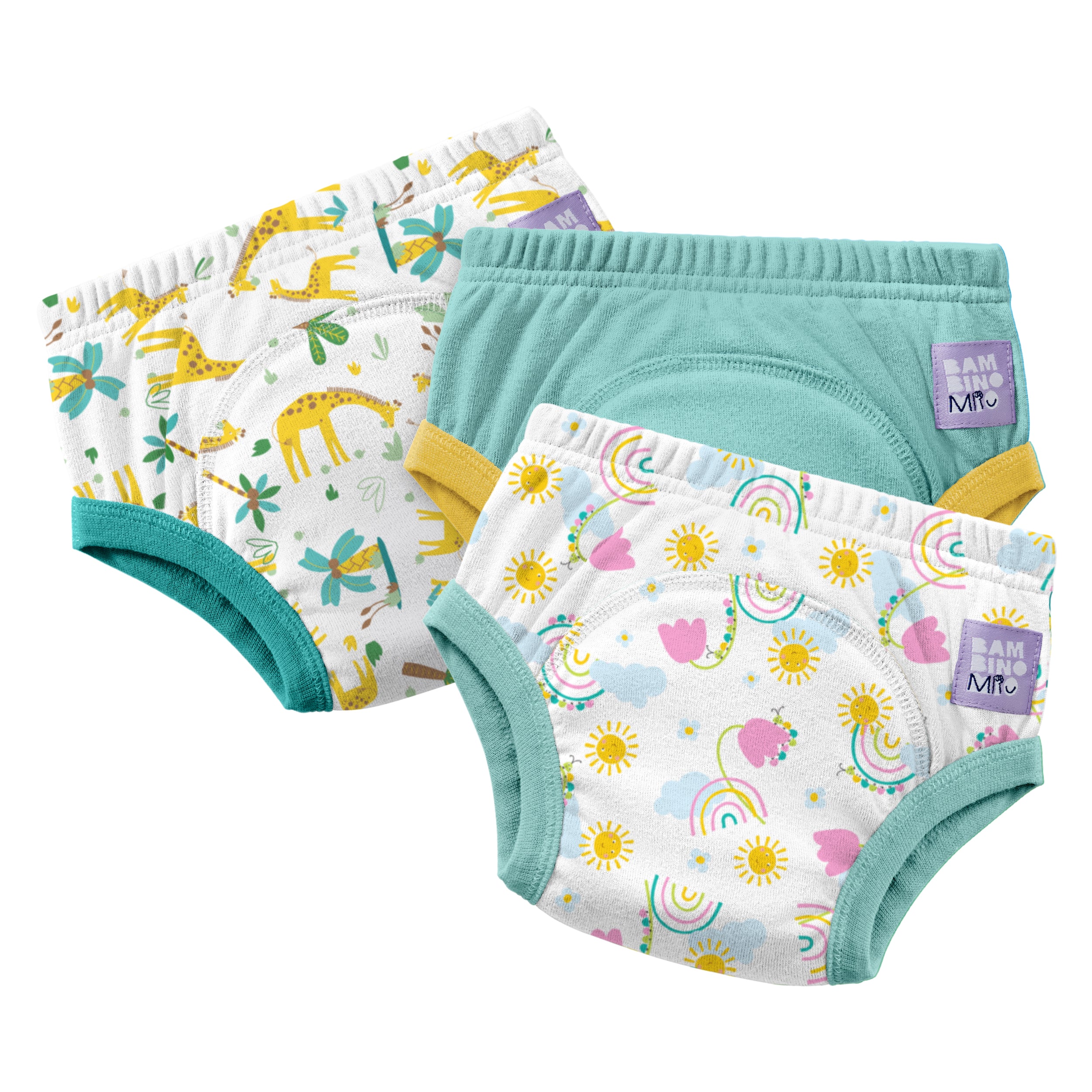


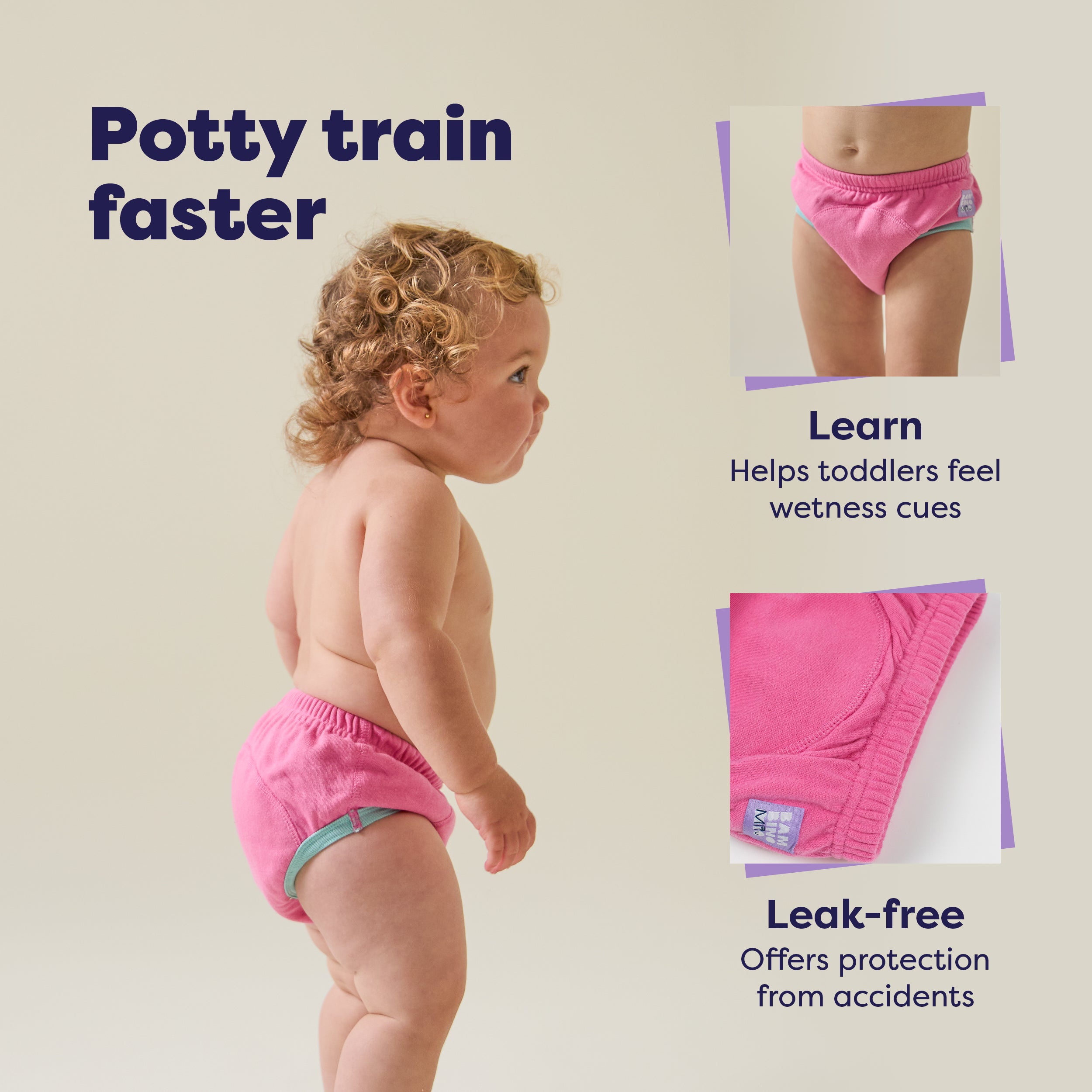


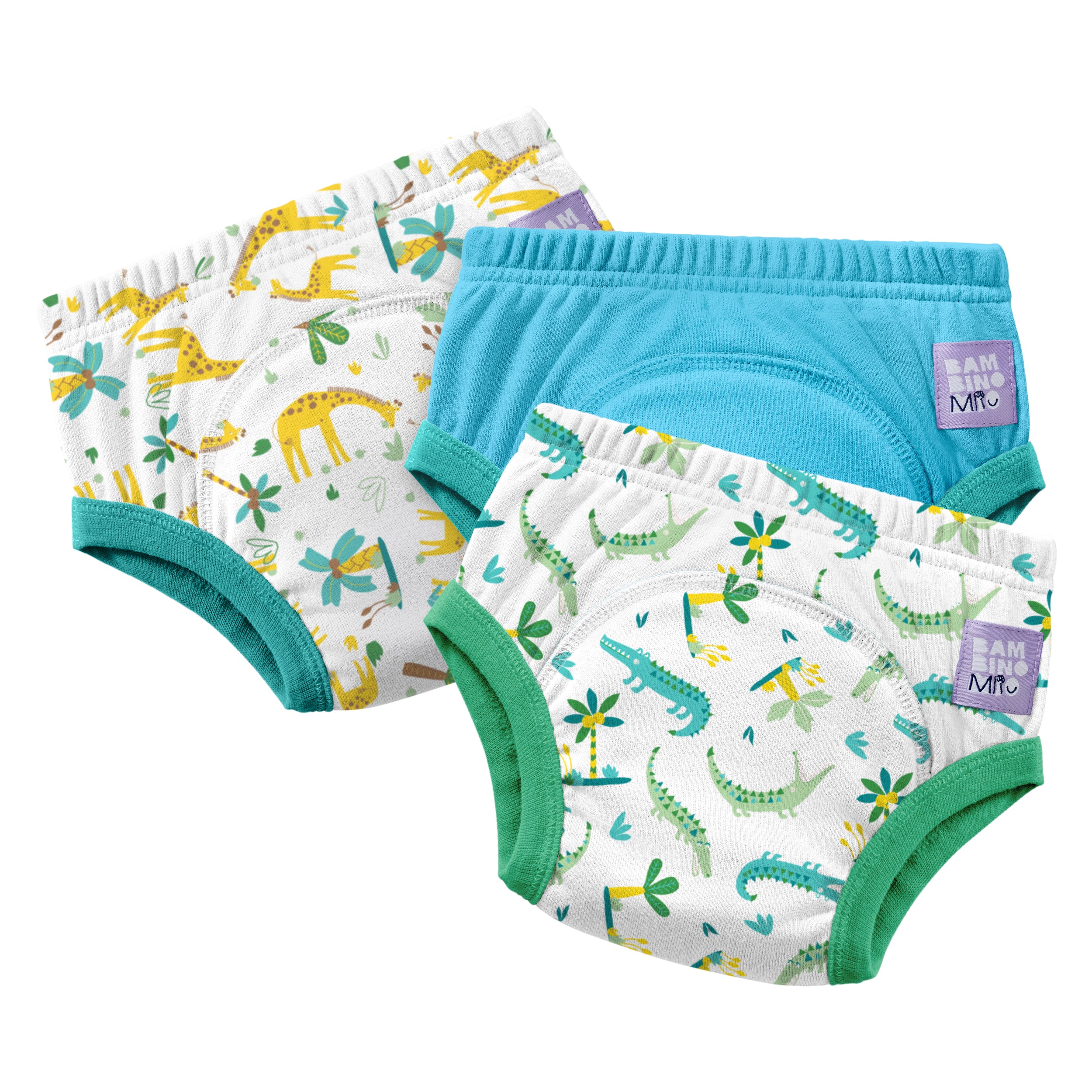
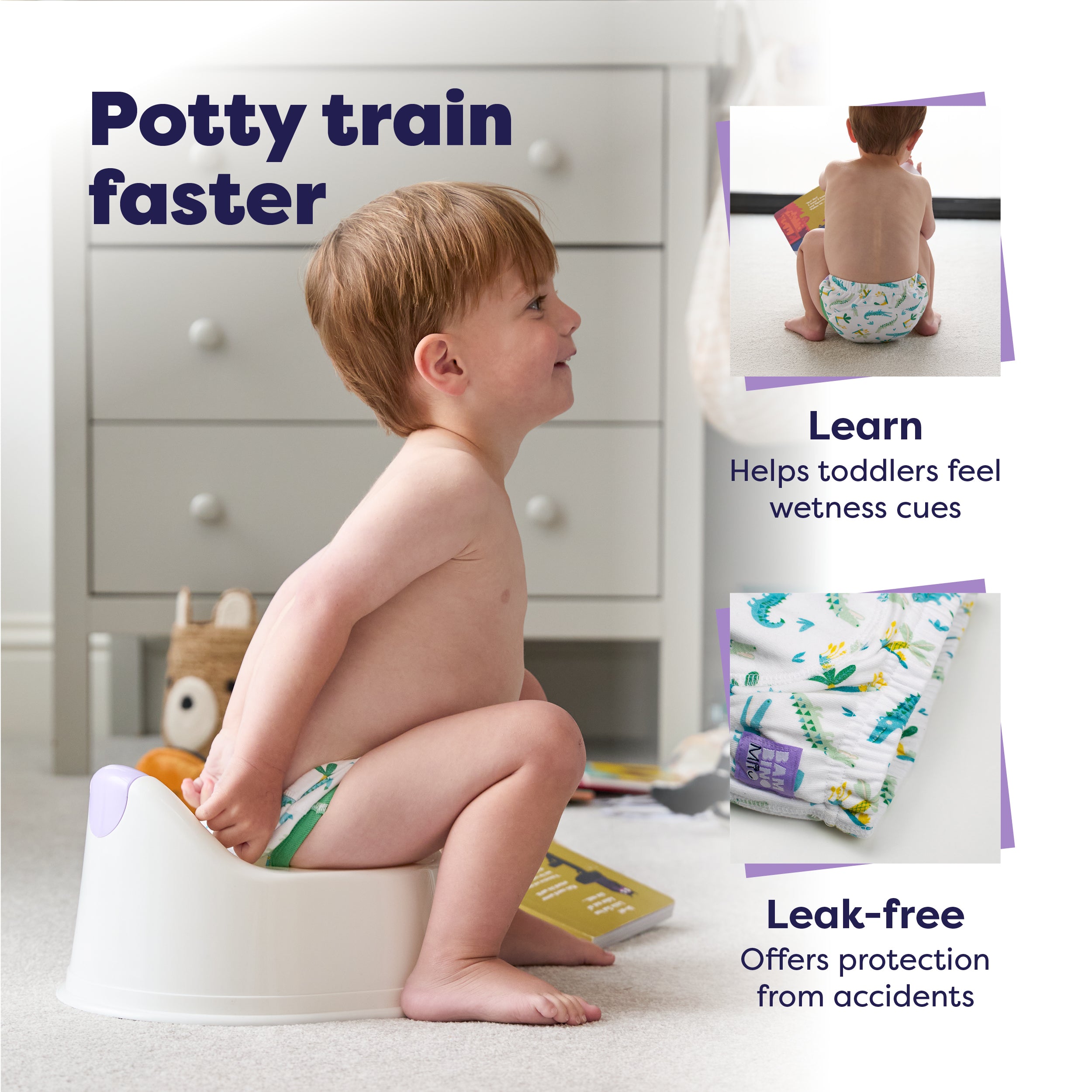
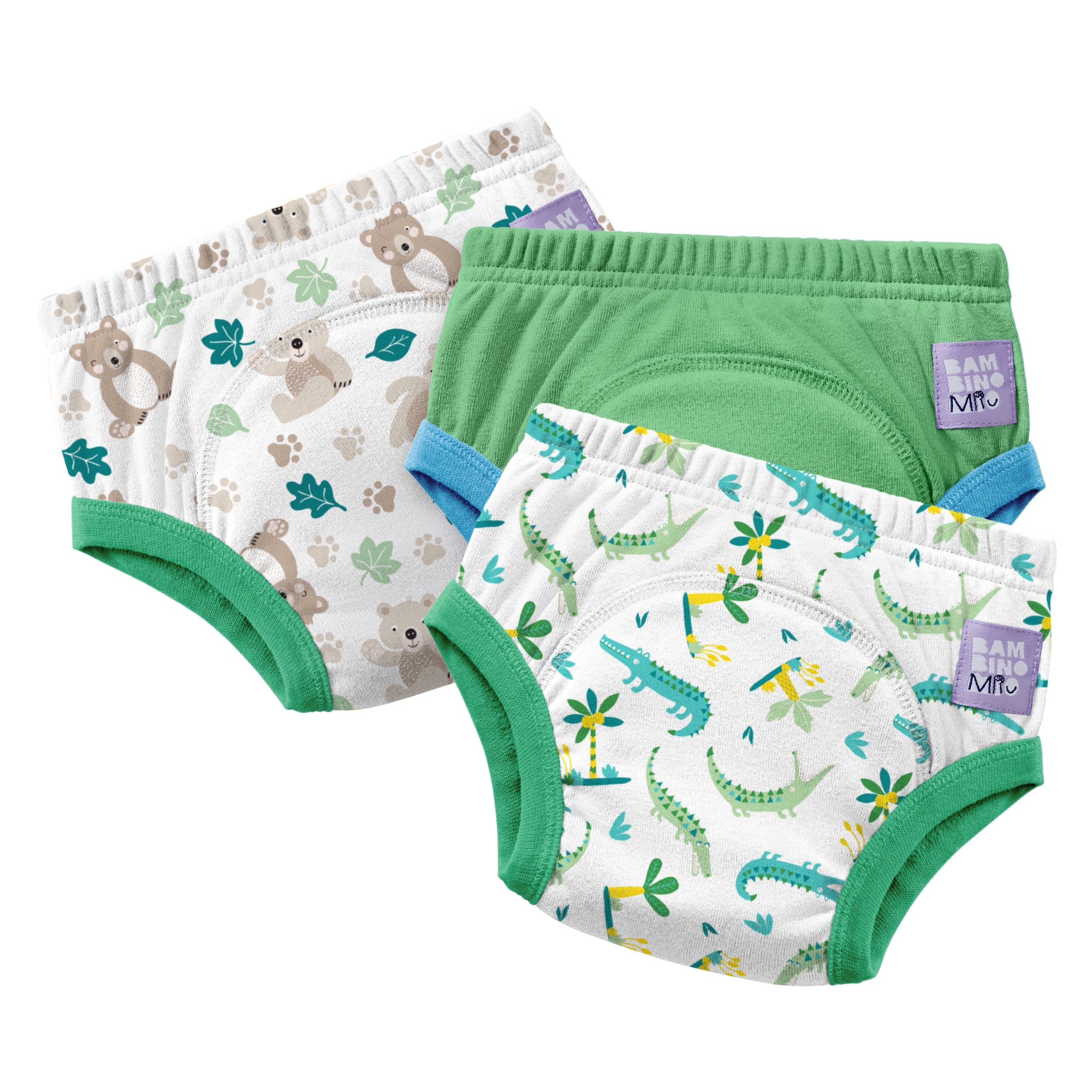
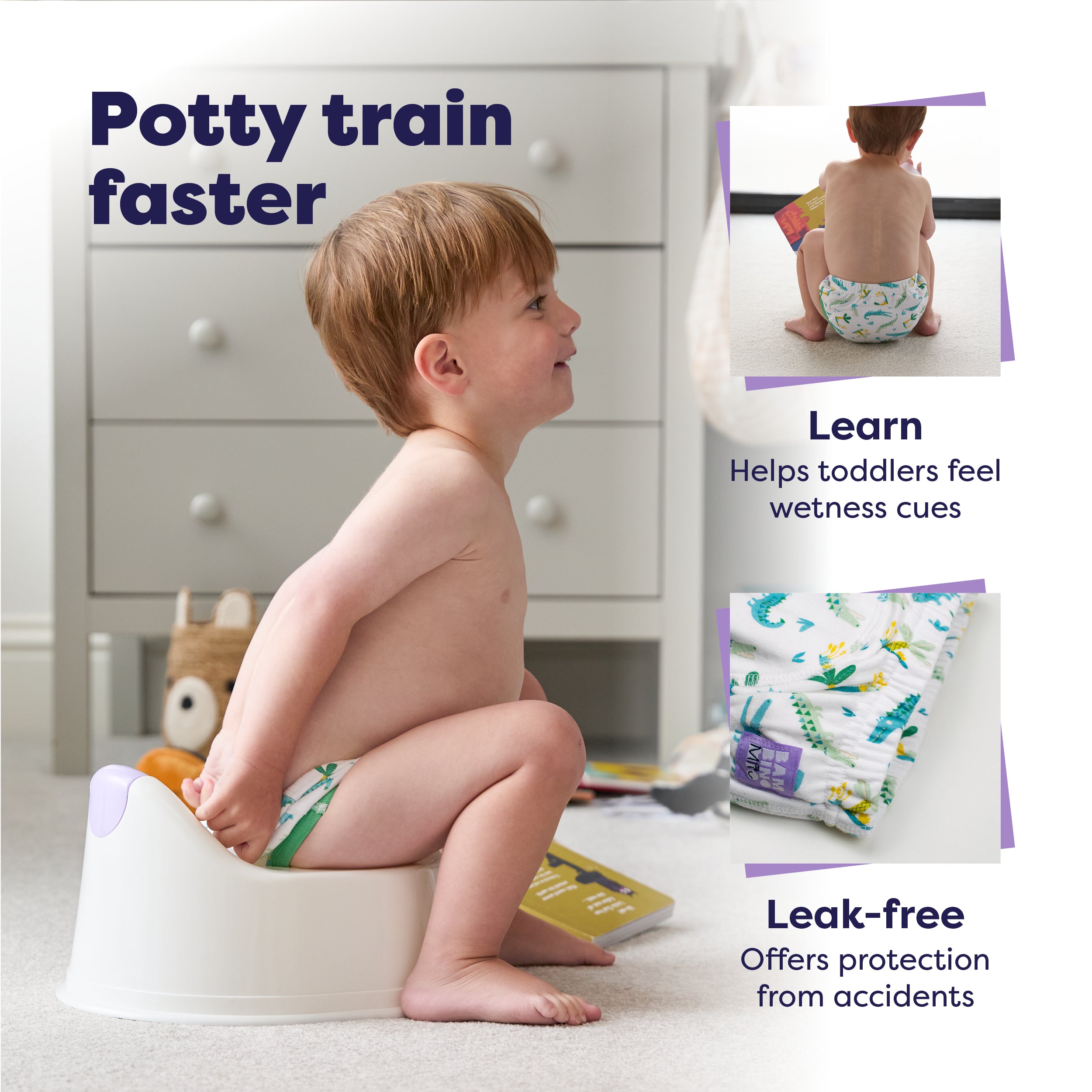


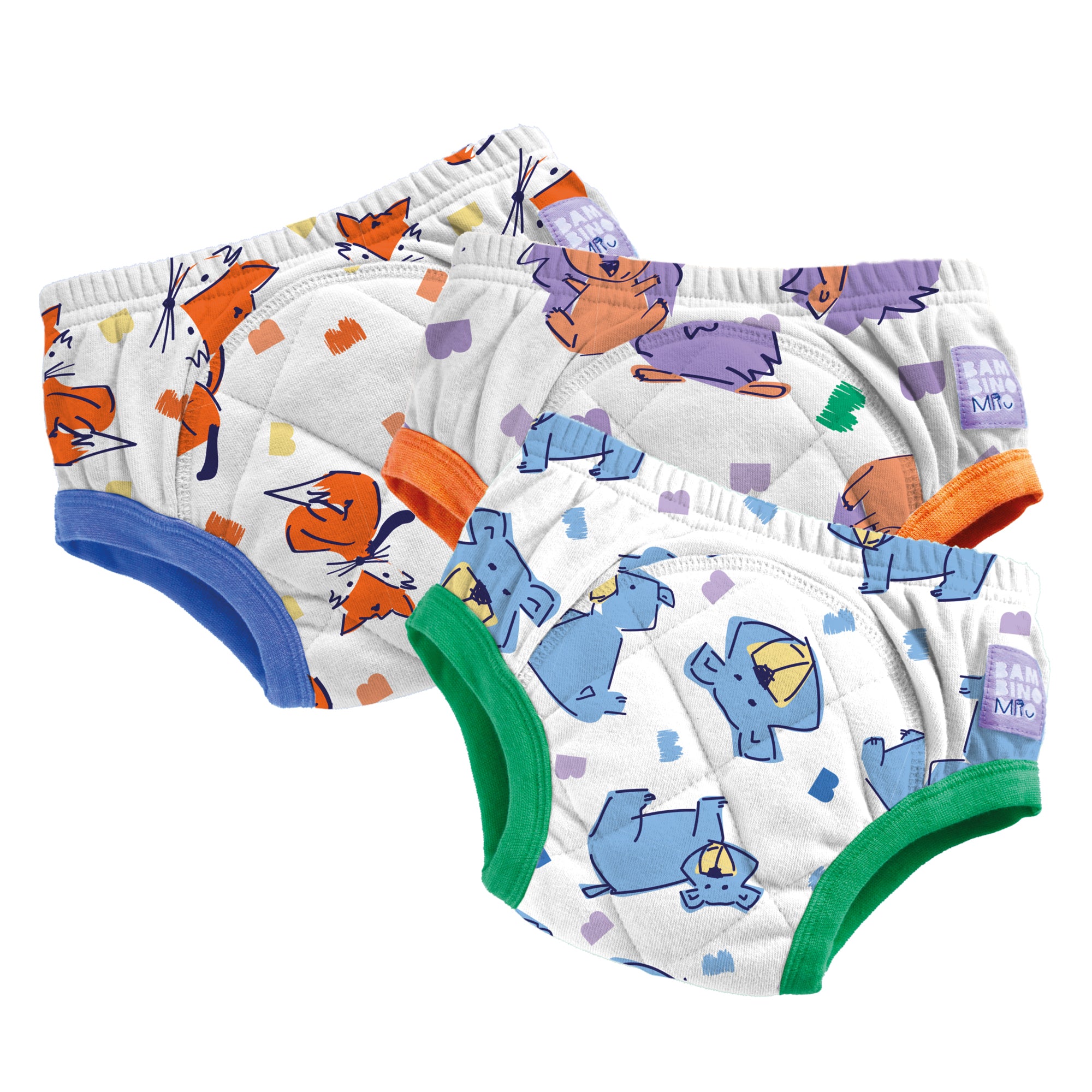
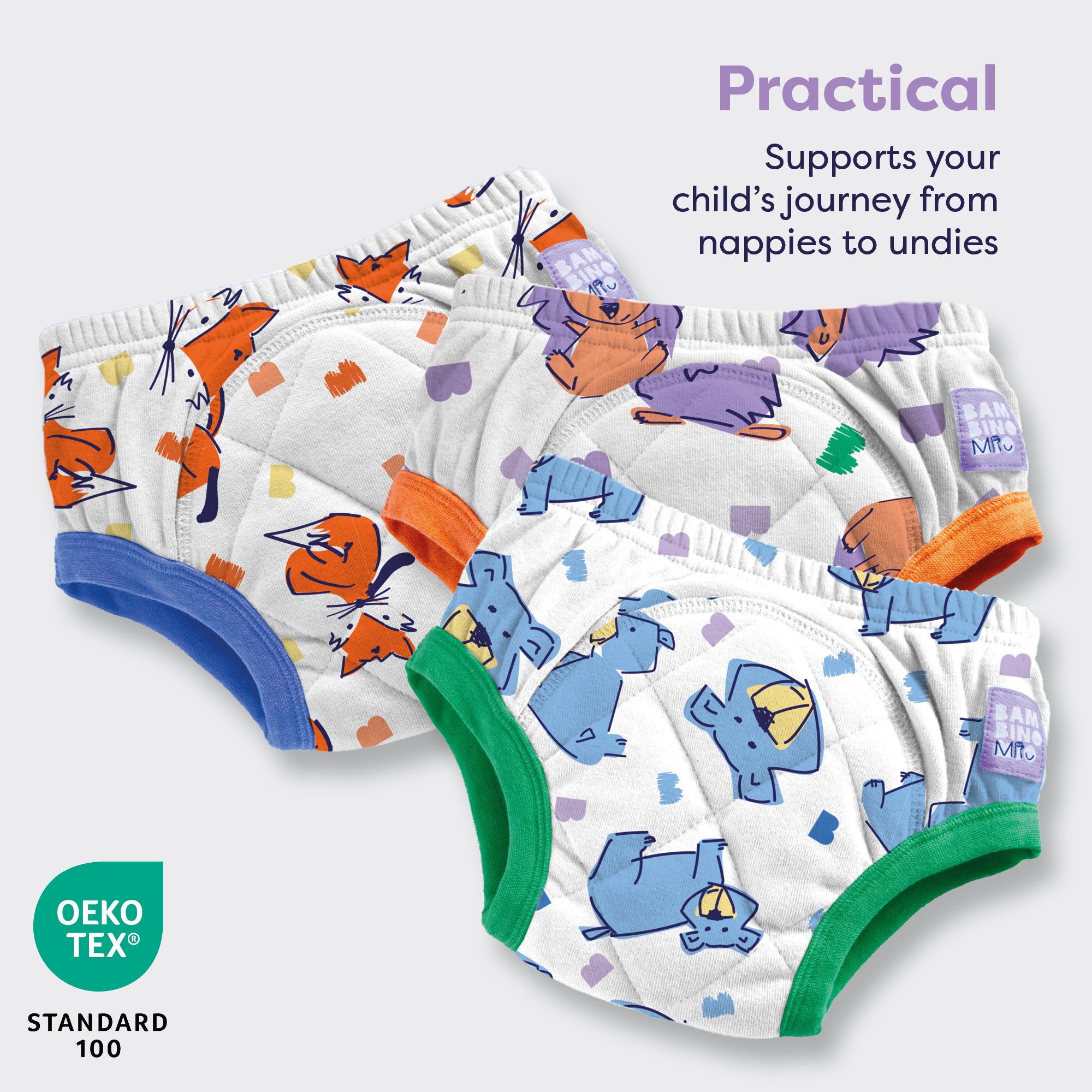
3 Pack Reusable Potty Training Pants in Outdoor Animals - Enhanced Design


3 Pack Reusable Potty Training Pants in Pegasus Palace Mix - Enhanced Design


3 Pack Reusable Potty Training Pants in Purple Dinosaur - Enhanced Design






















Frequently Asked Questions
Our potty training tips are broadly the same for both. Our training pants for toddlers work for everyone, and readiness signs are consistent regardless of gender. Girls tend to train slightly earlier on average but individual cues matter far more than that. For boys, starting with sitting down for everything and introducing standing later tends to make the early stages simple
For some children, particularly those who respond well to routine and visible progress, a potty training chart can be a really useful motivator. If you do use one, focus the reward on the effort rather than the outcome so there's no sense of failure, just practice.
There's no single potty training age that works for every child and the range of what's normal is much wider than most parents expect. Many toddlers are reliably dry during the day somewhere between two and a half and three and a half, but plenty crack it earlier and plenty take longer, and neither means anything is wrong. Night-time dryness usually follows several months after daytime training is sorted and often sorts itself out without any intervention at all.
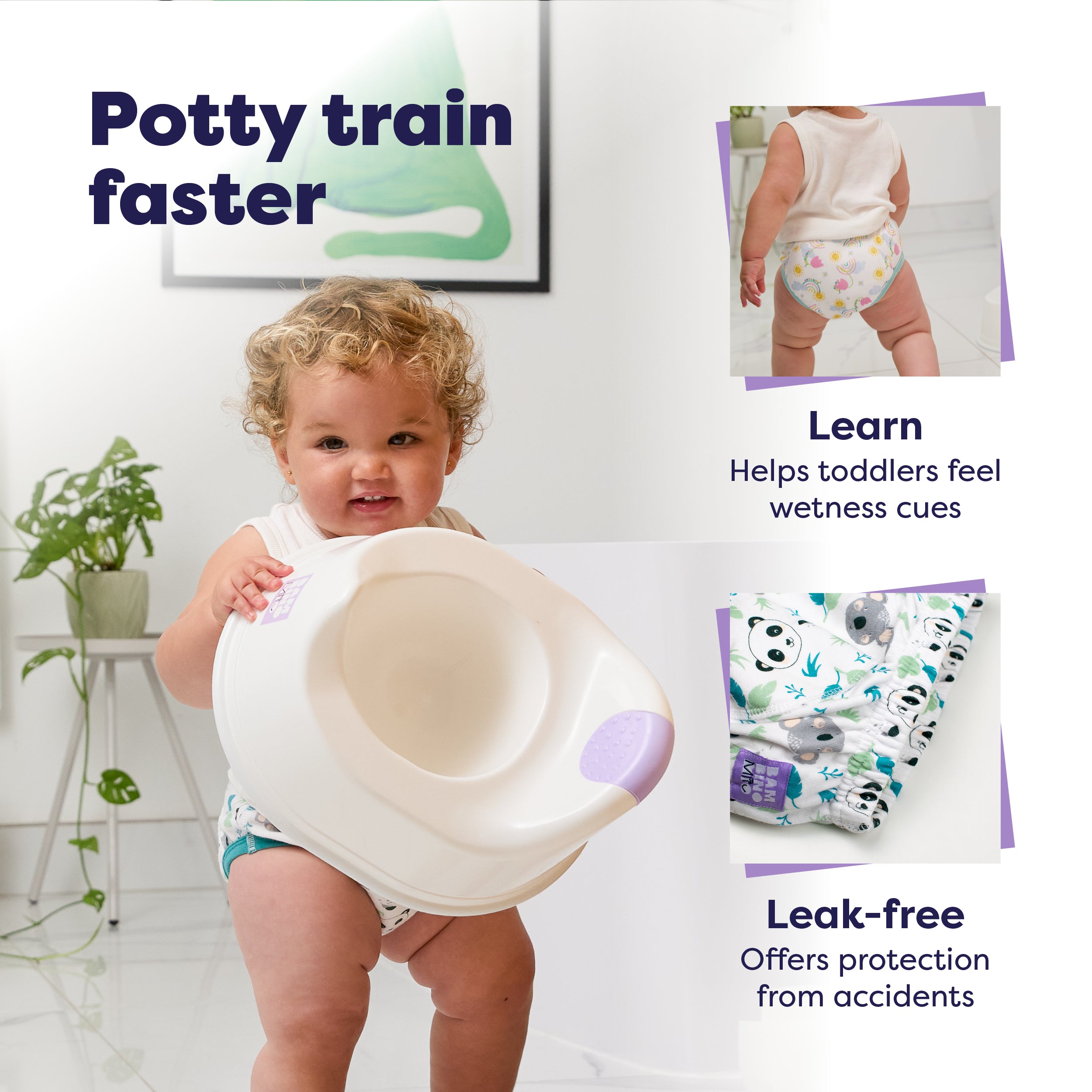
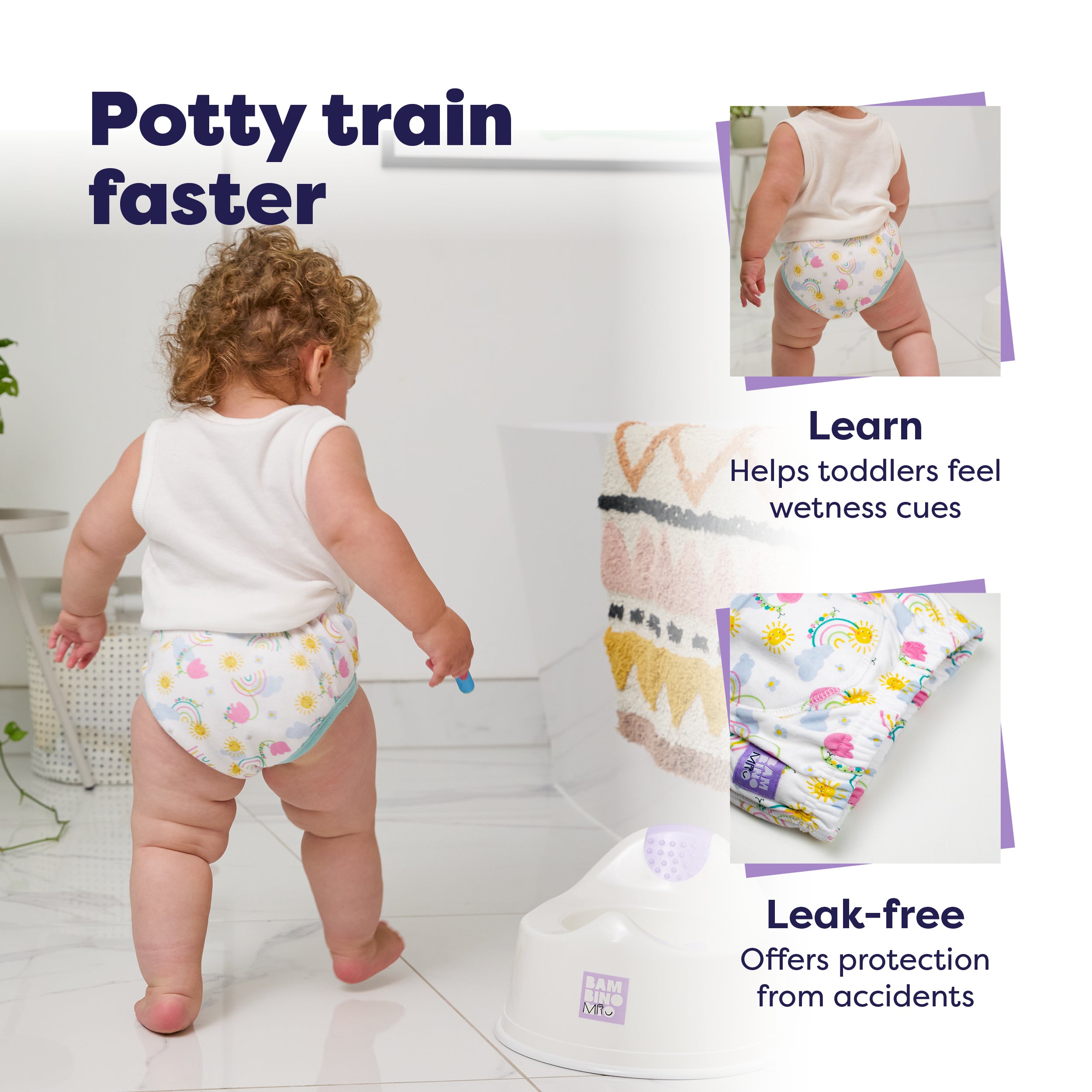
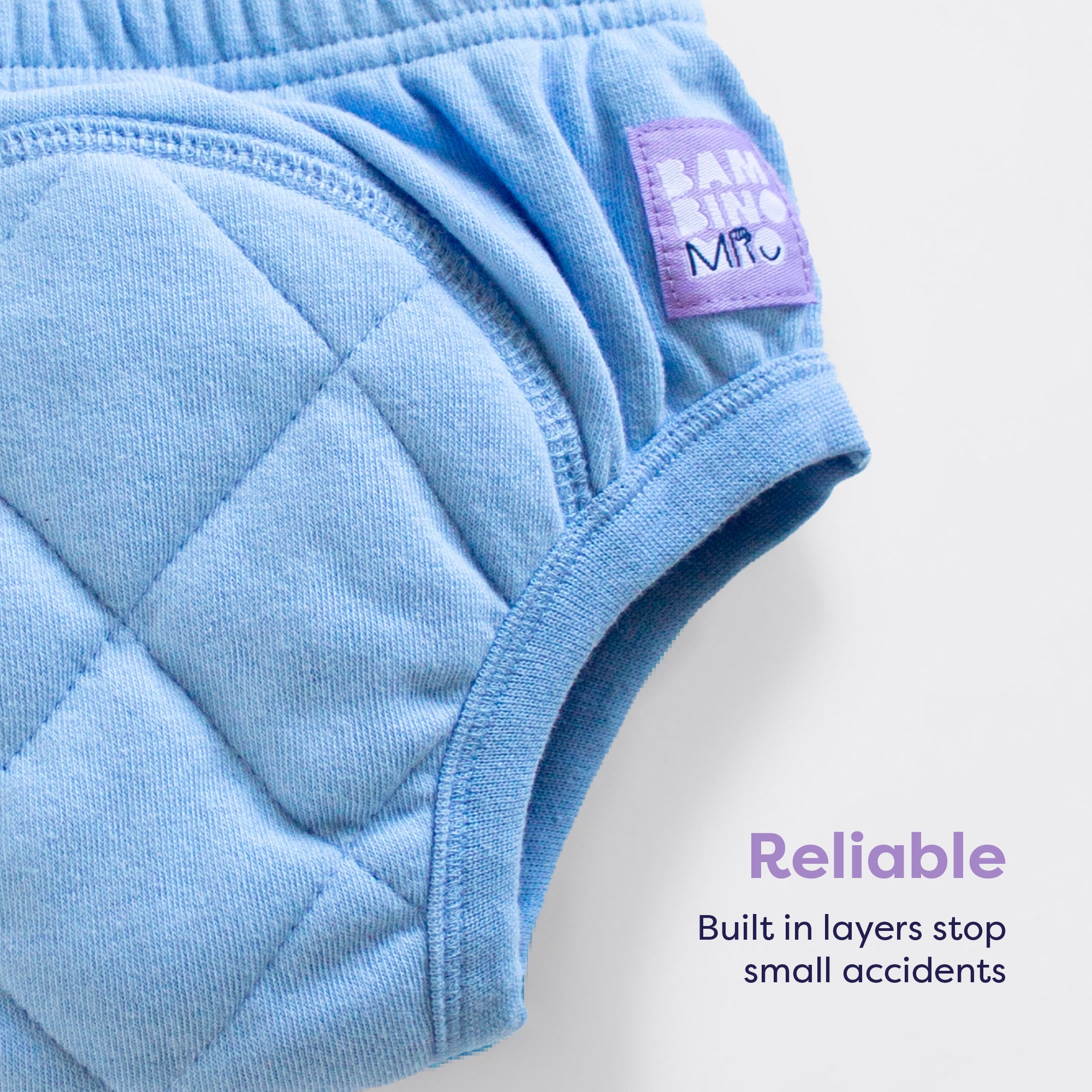
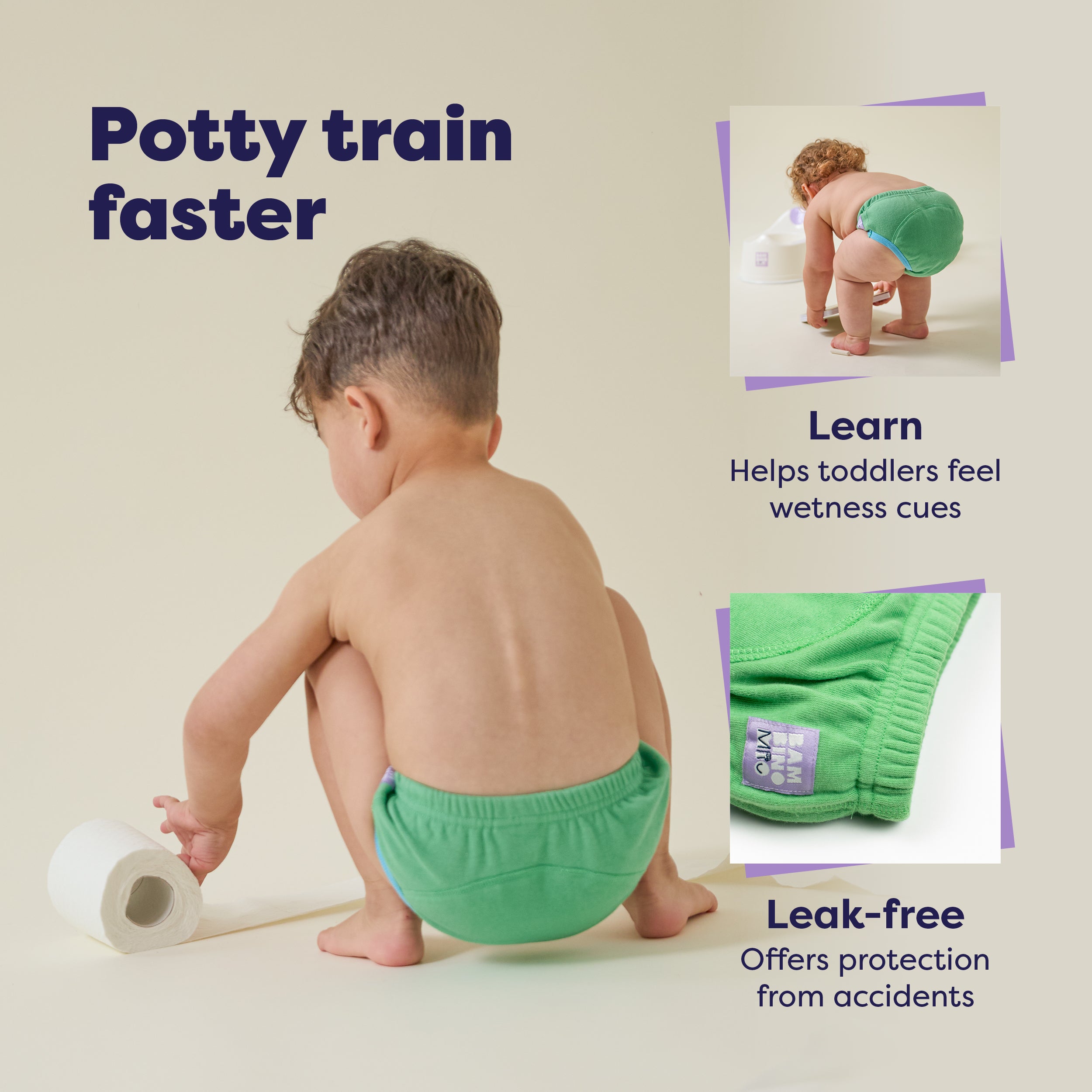
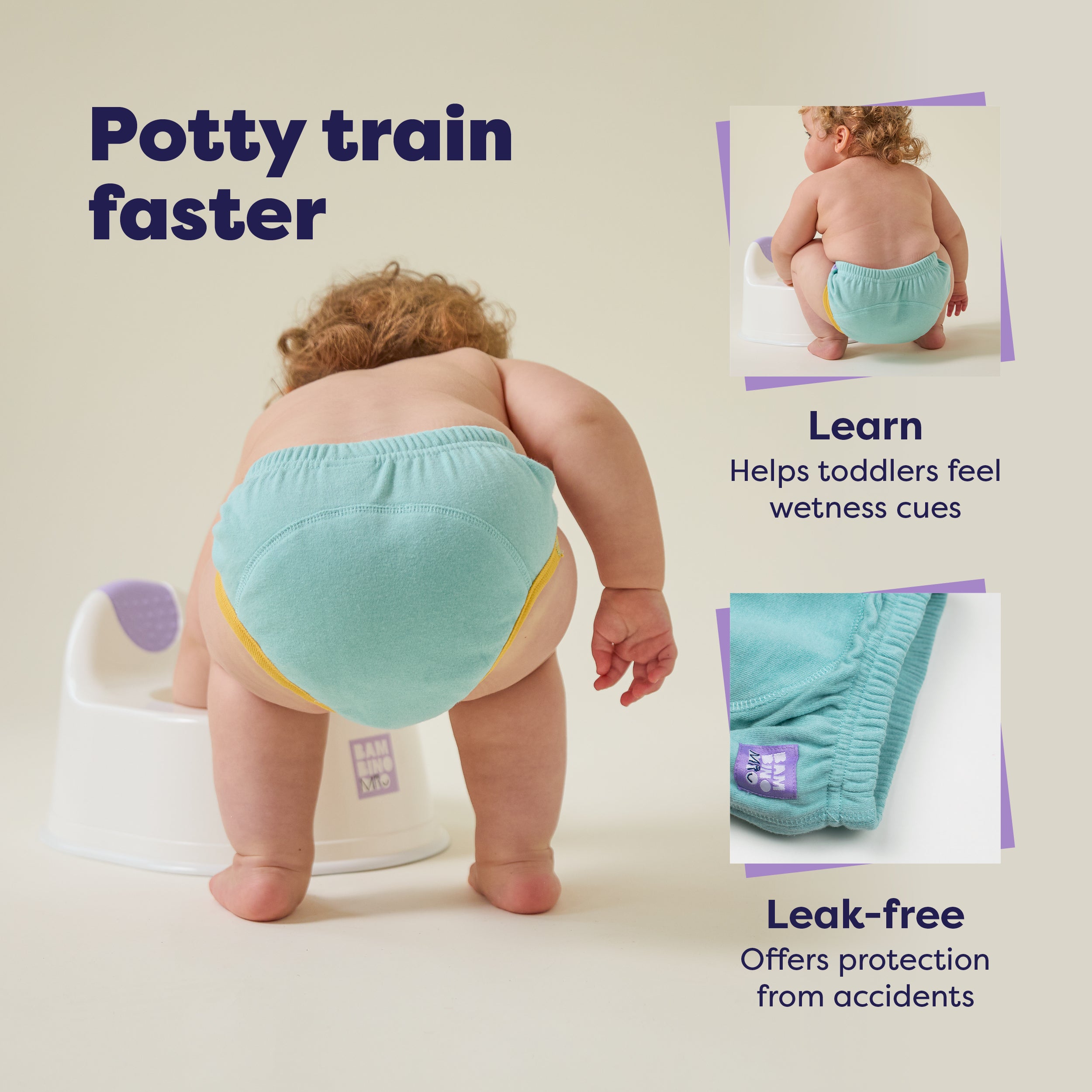
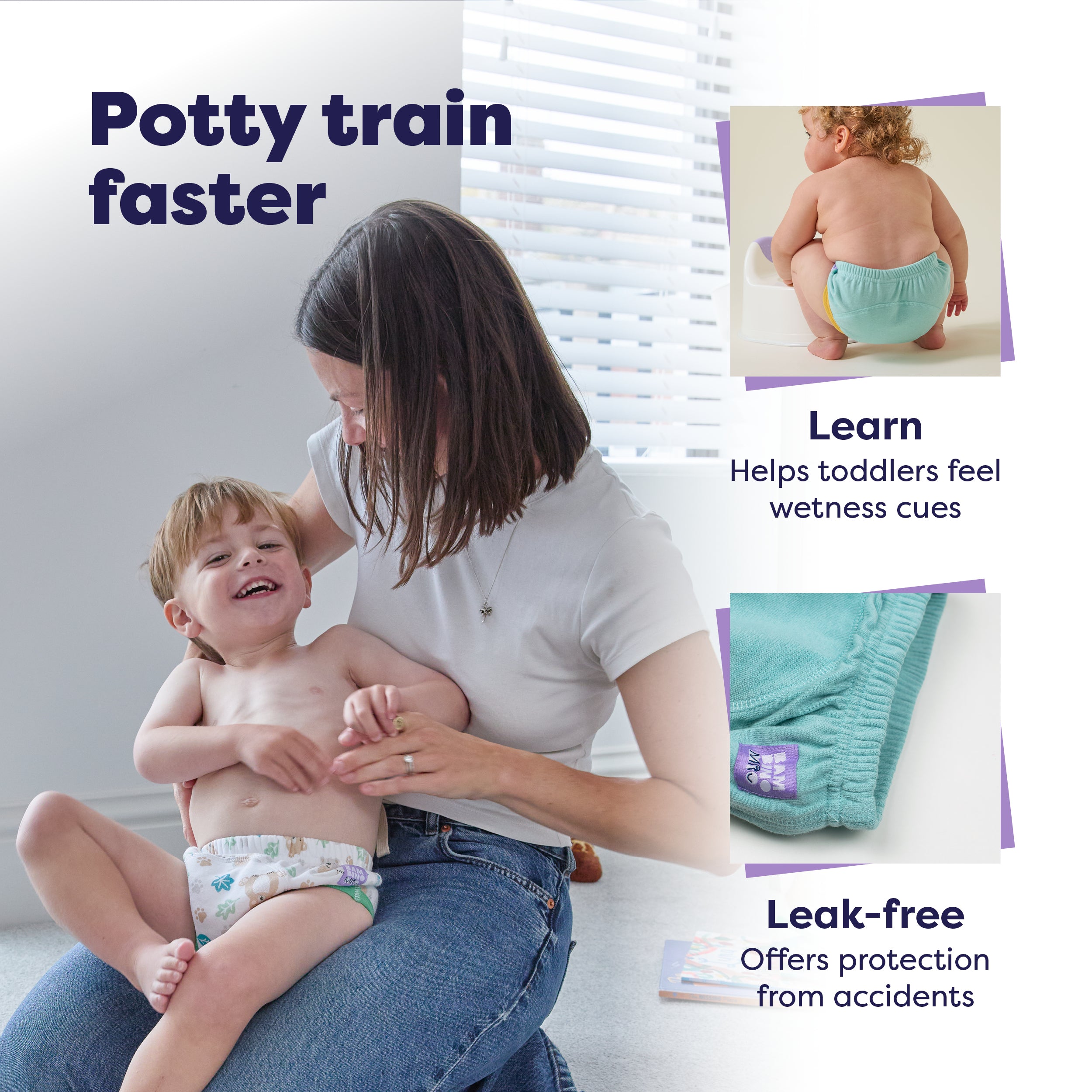
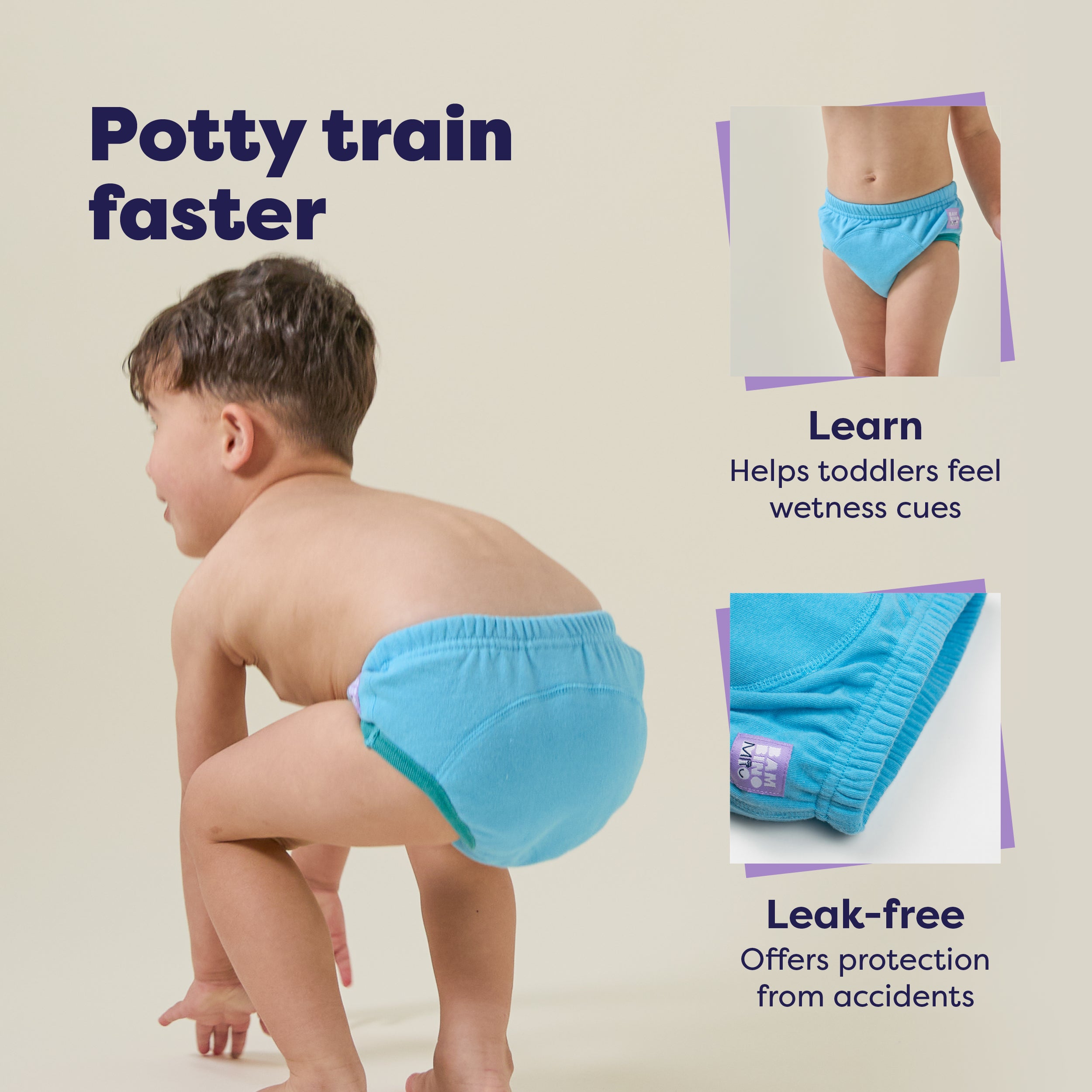
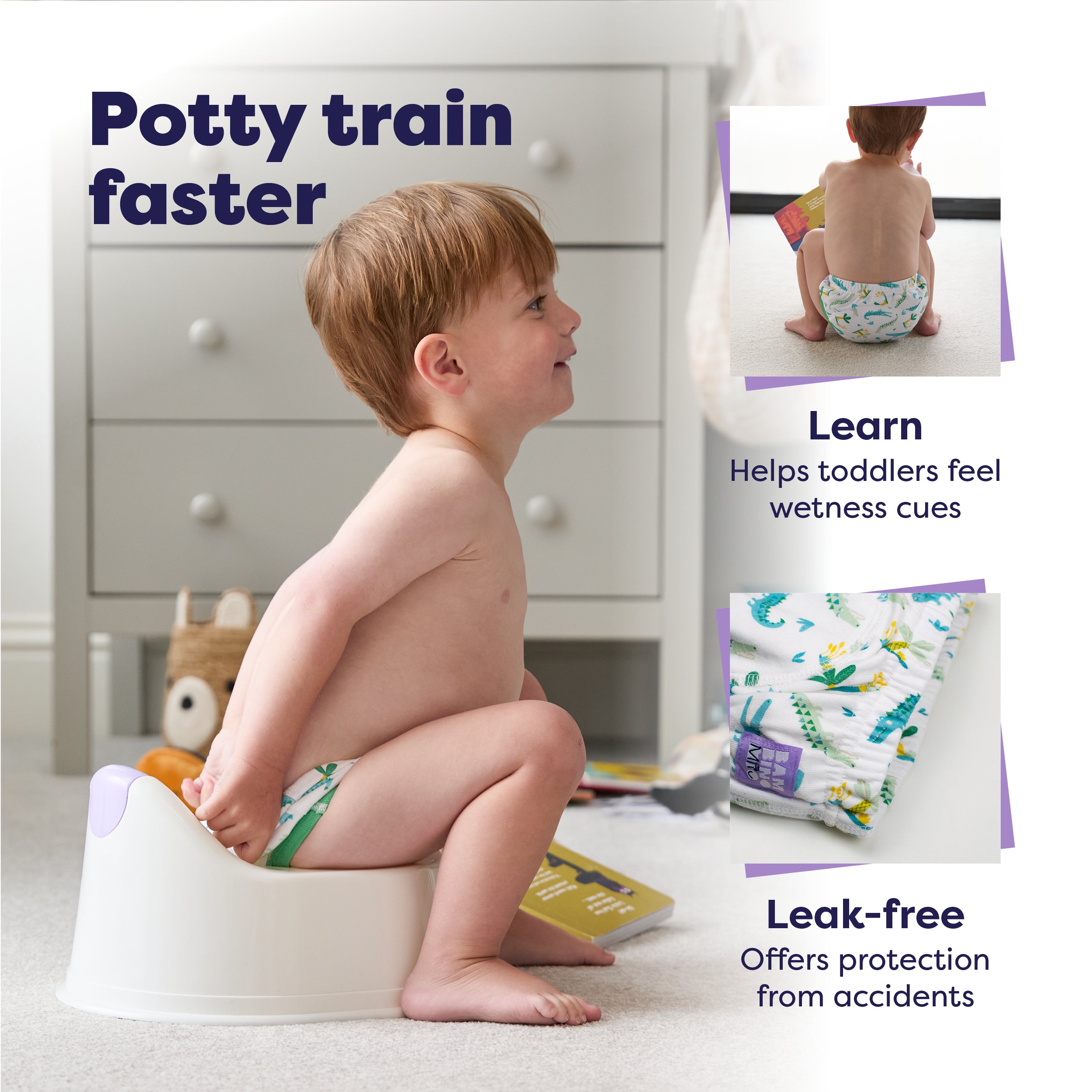
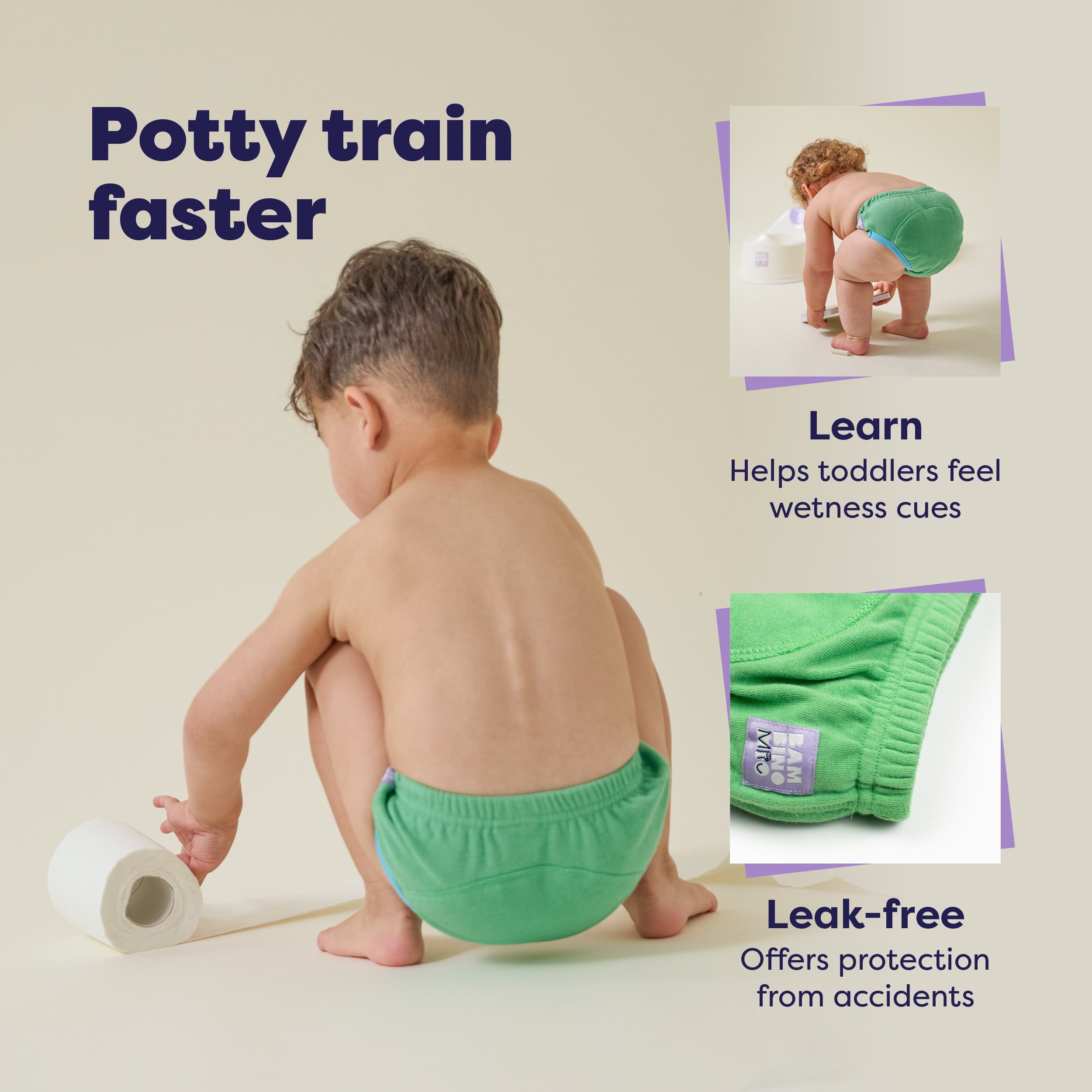
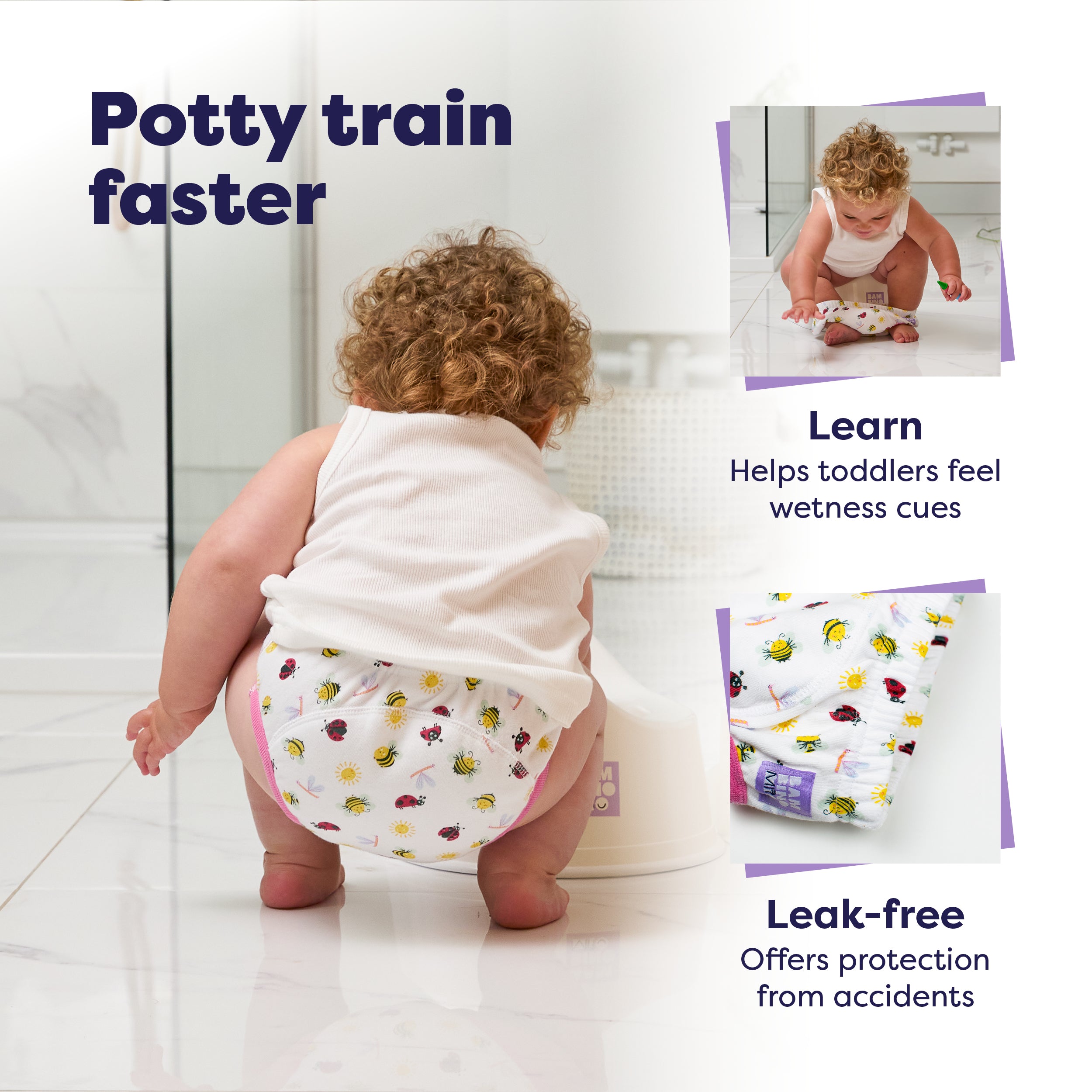
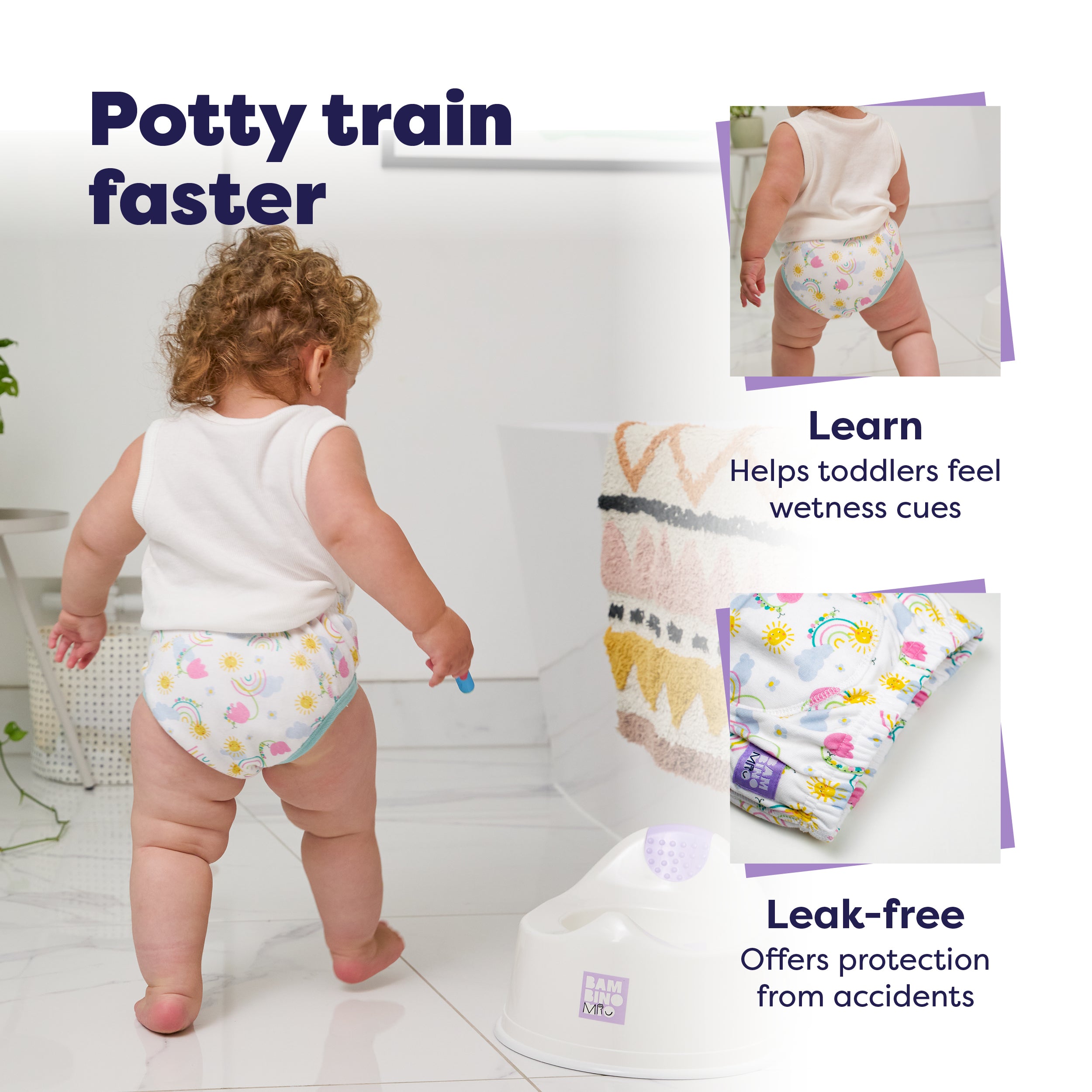
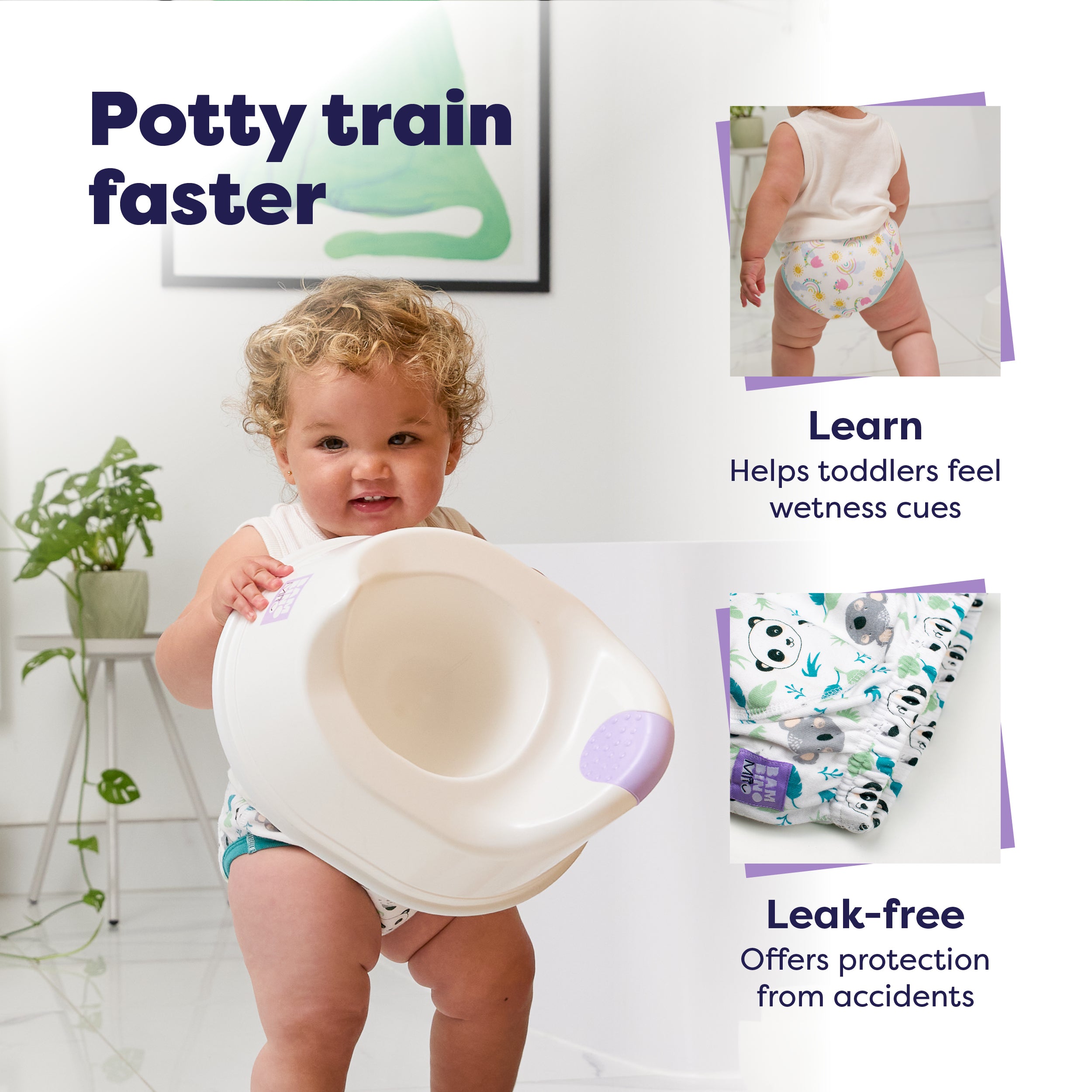
No, but that's the point. The absorbency is there to catch accidents and buy you a few seconds, not to contain them the way a nappy would. Toddlers learn faster when they can feel what's happened, so the design is deliberate.